
What Is Wire Wrapping? The Artisan Jewelry Technique
What is wire wrapping?
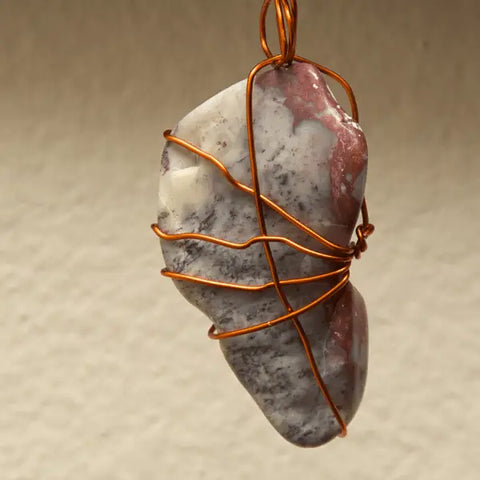
Wire wrapping is an artisanal jewelry technique that uses metal wire to secure elements such as gemstones, beads, and metal accents, or to create decorative patterns — without glue or soldering. The result is a unique, handmade piece of jewelry with an organic, artistic look. Wire wrapping is one of the oldest jewelry techniques in the world and is currently experiencing a true revival. Check out our crystal jewelry collection for handmade jewelry with special gemstones.
History of wire wrapping
Wire wrapping is one of the oldest known jewelry techniques. Archaeologists have found wire-wrapped jewelry more than 4,000 years old — in Egypt, Mesopotamia, and ancient Ireland. In pre-Columbian America, indigenous peoples used wire wrapping to set turquoise and other gemstones. In the 20th century, wire wrapping became popular in the hippie and New Age movements due to its handmade, natural appearance. Today, it is a beloved technique among artisanal jewelers worldwide.
Materials for wire wrapping
Precious metals — gold and silver are the classic choice for durable, high-quality wire-wrapped jewelry. Stainless steel — durable, affordable, and colorfast. Copper — popular with beginners due to its affordability and workability. Aluminum — lightweight and available in many colors. Wire thickness — ranges from fine (0.2 mm) for decorative details to thick (1.5 mm) for structural frames. The choice of wire determines the look: fine wire gives a delicate, romantic effect; thick wire a robust, statement look.
Wire wrapping for gemstones
What makes wire wrapping special is its ability to incorporate gemstones without glue or soldering. The wire is carefully wrapped around the stone to create a secure and decorative setting. This works for almost any stone shape — from round cabochons to irregular rough stones. Popular gemstones for wire wrapping include turquoise, amethyst, labradorite, rose quartz, and agate. Combine with matching boho jewelry for a complete, handmade look.
Maintenance of wire-wrapped jewelry
Because wire wrapping is an artisanal process, these pieces of jewelry deserve careful handling. Clean gently with a soft cloth — avoid submerging in water. Protect from perfume, chlorine, and aggressive chemicals. Store separately in a soft pouch to prevent tangling and scratching. Copper can oxidize over time — polish with a soft cloth or special copper polish.
Frequently asked questions about wire wrapping
- What is the difference between wire wrapping and soldering?
- Soldering joins metal parts with heat and solder. Wire wrapping secures parts mechanically by wrapping wire around them — without heat or glue. Wire wrapping is more accessible for beginners and produces a more organic, handmade result.
- Which gemstones are suitable for wire wrapping?
- Almost any gemstone is suitable — from round cabochons to irregular rough stones. Popular choices include turquoise, amethyst, labradorite, rose quartz, agate, and citrine. Rough, unpolished stones give a particularly organic result.
- Is wire wrapping difficult to learn?
- Wire wrapping is accessible for beginners. Basic wrapping patterns can be learned quickly with simple tools like round-nose pliers and wire cutters. More complex patterns require more practice and patience.
- How durable is wire-wrapped jewelry?
- Wire-wrapped jewelry made of stainless steel or precious metals is very durable. Copper and aluminum are softer and can deform with intensive use. Handle with care and avoid hard knocks to keep the wire structure intact.
- Can I wear wire-wrapped jewelry daily?
- Yes, wire-wrapped jewelry made of stainless steel or silver is suitable for daily wear. Avoid contact with water, perfume, and chemicals. Read more on our jewelry wiki for more information about jewelry materials.